
Repairing minor brick damage
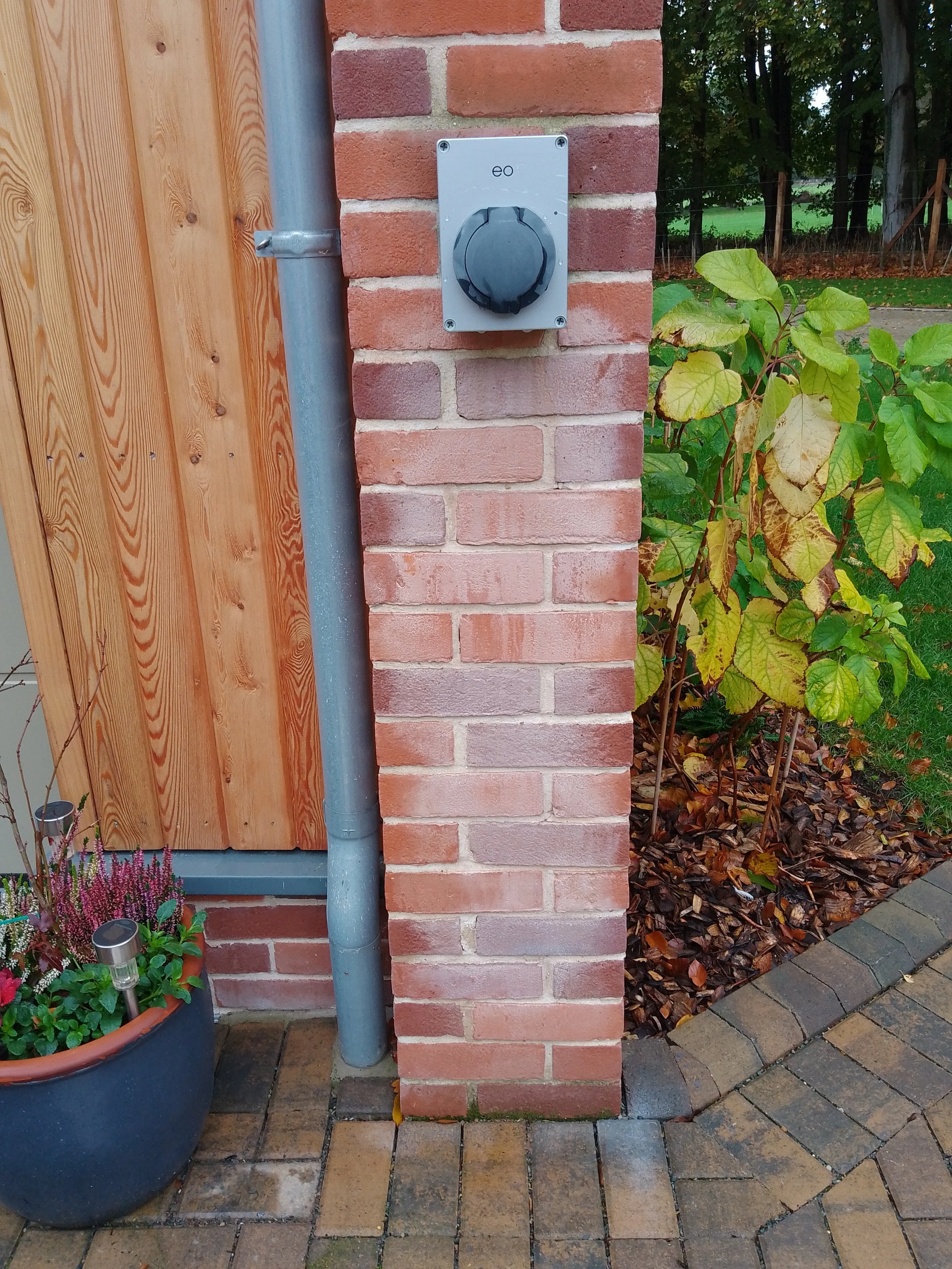
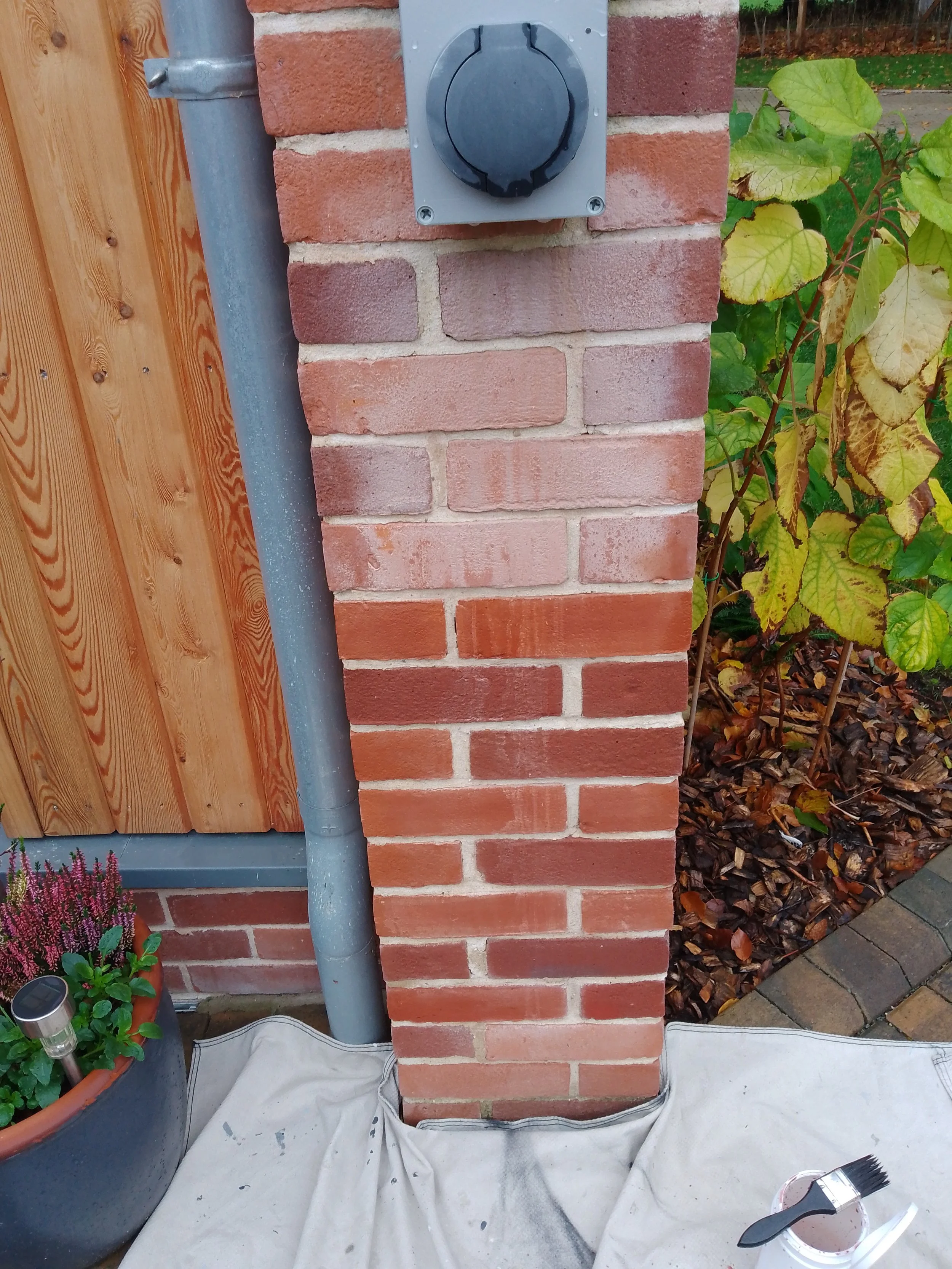
Brickwork is valued for its strength, durability, and timeless appearance. However, even the most robust masonry can suffer minor damage over time. Chips, cracks, impact marks, and surface blemishes are common issues caused by weathering, building movement, accidental damage, or previous poor repairs. Traditionally, repairing damaged bricks often meant cutting out and replacing entire units—an approach that can be costly, disruptive, and visually inconsistent.
Modern repair techniques now allow minor brick damage to be repaired effectively on site using specialist brick fillers and colour-matched brick tints. These repairs restore both the appearance and performance of the brickwork while avoiding the need for full brick replacement.
Understanding minor brick damage
Minor brick damage typically refers to surface-level defects that do not compromise the structural integrity of the wall. Common examples include:
Small cracks or fractures
Chipped corners or edges
Stained or discoloured brickwork
Impact damage from fixtures or accidental knocks
Holes left by fixings, cables, or signage
Because the damage is superficial, these defects are ideal candidates for cosmetic brick repairs.
Stone cills are an important architectural feature, providing both structural support and visual definition beneath windows and doors. Over time, exposure to weather, pollution, and general wear can cause stone cills to crack, spall, or erode. Rather than replacing the entire unit—which can be costly and disruptive—many defects can be successfully repaired on site using specialist fillers. When done correctly, this method restores both appearance and durability while preserving the original fabric of the building.
Common causes of damage to stone cills
Stone cills are particularly vulnerable because they are exposed horizontal elements. Typical causes of deterioration include:
Water ingress leading to freeze–thaw damage
Salt crystallisation from de-icing salts or rising damp
Mechanical damage from window replacements or building movement
Weathering and erosion caused by wind-driven rain and pollution
These issues often result in cracks, open joints, surface loss, or friable stone, all of which can usually be addressed with filler-based repairs.
Damaged stone cills and lintels
We use a range of coloured fillers and stone textured coatings to repair minor chips and cracks to window cills.